Table Of Content
- color combinations to avoid – and those designers use instead for a balanced and harmonious scheme
- Balanced and unbalanced designs in ANOVA models
- Book traversal links for 4.7 - Incomplete Block Designs
- 7 - Incomplete Block Designs
- 1: Balanced Incomplete Block Designs (BIBD)
- About the the Graphic Design Program

The direction in which the physical weight acts is replaced by visual direction. When a design is unbalanced, the individual elements dominate the whole and the composition becomes less than the sum of its parts. In some projects, unbalanced might be right for the message you’re trying to communicate, but generally you want balanced compositions. Another way to give your design a sense of dynamic balance, is to give it a little texture. Now, texture is often quite subtle in terms of a visual element.
color combinations to avoid – and those designers use instead for a balanced and harmonious scheme
A balanced design doesn’t necessarily mean every element is given equal weight. Rather, it simply means that no one element overpowers the design — everything works together to create a unified whole. Another excellent example of an off-balance or discordant balance design is this one from Cadbury. The chocolate company created this campaign for charity, and this type of balance in design is the most ideal for this kind of ad.
Balanced and unbalanced designs in ANOVA models
This website is using a security service to protect itself from online attacks. The action you just performed triggered the security solution. There are several actions that could trigger this block including submitting a certain word or phrase, a SQL command or malformed data.
Book traversal links for 4.7 - Incomplete Block Designs
You can create rhythm, motion, speed and dynamic action through translation symmetry. It evokes feelings of modernism, movement, energy and vitality. Asymmetrical balance offers more visual variety, although it can be more difficult to achieve because the relationships between elements are more complex. Visual weight is a measure of the visual interest of an element or area in a design.
Rather, you use your eye to determine whether a composition is balanced. Balancing a composition involves arranging both positive elements and negative space in such a way that no one area of the design overpowers other areas. Everything works together and fits together in a seamless whole. The individual parts contribute to their sum but don’t try to become the sum. Logo Poppin is a top-rated graphic design agency that specializes in logo design, web design, video animation, digital marketing and other professional branding services. When that happens, more often than not, there is something wrong with the balance of the elements in that design.
Now that you have a basic understanding of the topic, you can choose the right type of balance for your goals. And of course, you don’t have to start from scratch either. Choose a template from Venngage’s library to strike the perfect balance with your next design. Mosaic balance (also called crystallographic balance) is when elements seem chaotic, but there’s an underlying organization to it all. This is best saved for unconventional or more abstract designs.
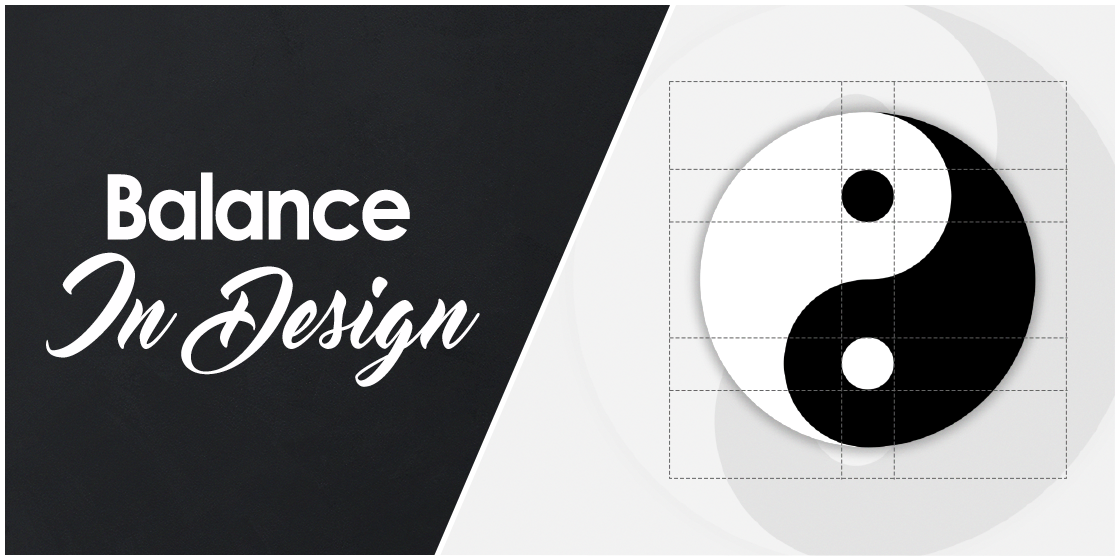
Need some help using symmetry to create visually memorable designs? Enhance your marketing strategy with professional, unlimited graphic design from Kimp. While it has such great appeal, symmetrical balance might look too plain without strong focal points in the design. Subtle changes in design, like changing the color of one or more elements can drastically alter the balance and create a focal point when required. As a design principle, balance refers to the distribution of elements in a specific artwork or design.
You can have different weights on each side, but can remain balanced by how the heavier and lighter elements are positioned and stacked. Finding the center of the design and mirroring the weight on each side with various techniques will keep your design from being boring. With any design you create, you should be thinking about the many principles of graphic design, whether contrast, unity, emphasis, or in the case of this article, balance.
Asymmetrical balance results from unequal visual weight on each side of the composition. One side of the composition might contain a dominant element, which could be balanced by a couple or more lesser focal points on the other side. One visually heavy element on one side might be balanced by a handful of lighter elements on the other. In symmetrical design, centering the design elements is a great way to ensure that the design you will end up creating will be symmetrical. You can see a great example of asymmetrical balance in the image below. With symmetrical balance, the visual weight is distributed evenly.
Here are a few more examples of using shapes appropriately to create balance. So, if you are creating a design with too many squares and rectangles alone, the design might feel too stiff. The monochromatic palette here is one of the reasons for the visual balance. When you choose colors for your design, you can select complementary, analogous, triadic, or monochromatic colors for the best results. We’ll give you a few examples to understand this idea better.
Natural forms that grow or move perpendicular to the earth’s surface develop rotational symmetry. Rotation without reflection can be used to show motion, speed or dynamic action. As a reminder, below are definitions for visual weight and visual direction, although I’ll refer you back to the fourth post in this series for more details. Logopoppin is a graphic design agency that specializes in logo designing, web development, video production and advanced branding services.
Extreme sampling design in genetic association mapping of quantitative trait loci using balanced and unbalanced case ... - Nature.com
Extreme sampling design in genetic association mapping of quantitative trait loci using balanced and unbalanced case ....
Posted: Tue, 29 Oct 2019 07:00:00 GMT [source]
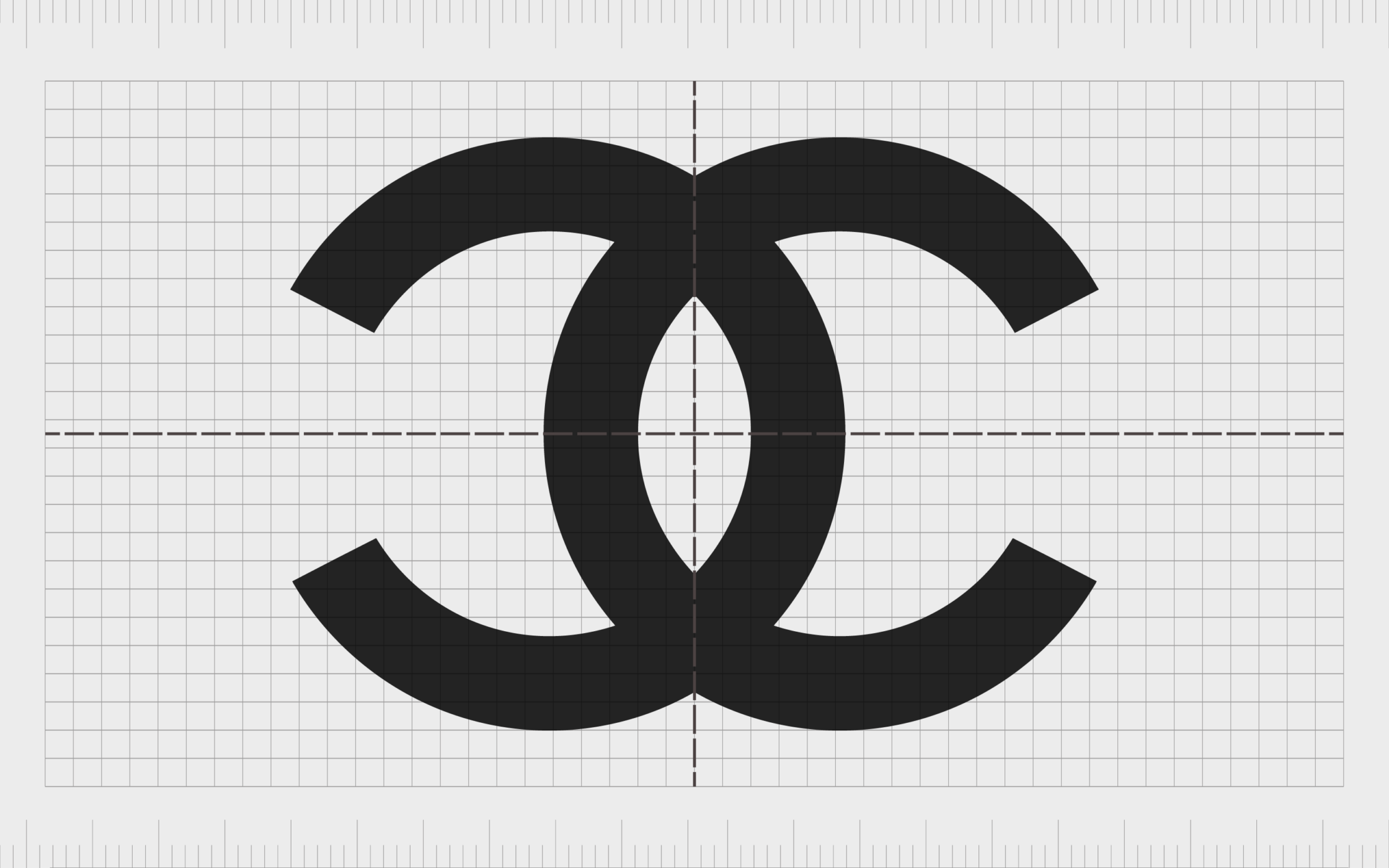
It is also a great example of symmetrical balance, making this ad simple yet impactful. The Chanel logo seems plain and simple, yet it has balance, repetition, unity, and exquisite beauty. The logo has overlapping letters C to signify the initials of the logo designer herself, Coco Chanel.
The $99 Nothing Ear (a) true wireless earphones are quite different than the Ear (stick) they replace. For starters, they ditch the earbud-style design for an in-canal fit, add active noise cancellation (ANC), and come in more color options. They also produce bass-forward sound that you can customize via the app and support all the Bluetooth codecs you need for high-quality listening on both Android and Apple devices.
Leonardo da Vinci for instance, is known the world over for his meticulous attention to balance in masterpieces such as the Vitruvian Man and The Last Supper. Marcus Vitruvius Pollio – the namesake of the Vitruvian Man – argued that a temple must be proportioned just like the human body. He said so, because he believed the human anatomy to be of perfect proportion.
The first one has an asymmetrical balance while the second one has a symmetrical balance. Using the same example above, a designer may wish to draw more attention to the right button than the left, without upsetting the balance. This primary / secondary relationship between buttons is nothing new. We can avoid creating too much visual tension by combining the factors of visual weight. In each of these examples, we can see how slight changes to the size, color, contrast, or density can affect the visual weight of an element on your page. As we’ll see below, these factors can be combined to help establish a sense of balance with your design.


No comments:
Post a Comment